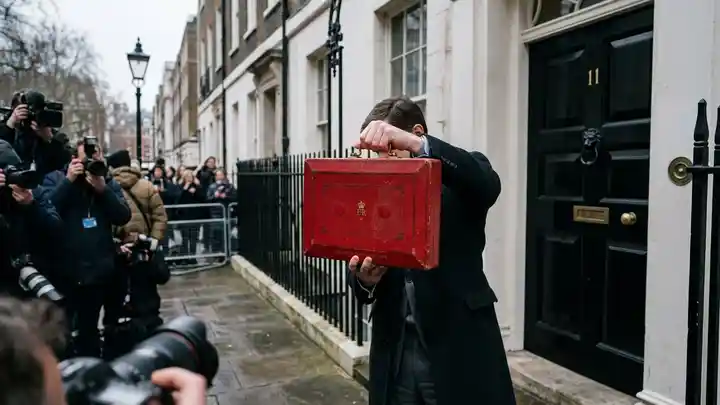

Britain’s biggest financial day of the year is almost here. On Wednesday, Chancellor John Healey stands up in the House of Commons and delivers the Autumn Budget 2026, the first of the new Burnham government and the statement that will decide pensions, wages, fuel prices and household bills through 2027. For Britain’s large Pakistani community, from Bradford to Birmingham to East London, this one touches almost everything: the minimum wage many earn, the winter payments many receive, the fuel every taxi and delivery driver buys, and the savings rules every household follows. Here is the full picture: the exact date and time, what is already locked in, what the Chancellor is expected to announce, and what each decision means for your money.
UK Budget 2026 Date, Time and Where to Watch Live
Direct answer: the Budget speech starts at approximately 12:30pm UK time on Wednesday, 28 October 2026, immediately after Prime Minister’s Questions ends, and usually runs for about an hour. In Pakistani time that is around 5:30pm. The confirmed date came from the Chancellor’s own letter to the Treasury Select Committee, published on 31 July, which also commissioned the Office for Budget Responsibility to publish its forecast the same day.
You can watch it live on BBC Two, ITV, Sky News and Parliament’s own stream at parliamentlive.tv. The ritual is the same every year: the Chancellor poses outside 11 Downing Street with the red despatch box before heading to the Commons. Expect the Commons to be packed, because this is the first fiscal event of a brand new government still inside its first hundred days, and the markets will be watching every word for clues about borrowing and taxes.
First Budget of the Burnham Government: The Backdrop
John Healey, the Defence Secretary of the last parliament, now holds the Treasury keys under Prime Minister Andy Burnham, whose government took office just over three months ago. The inheritance is uncomfortable. Government borrowing hit £24.5 billion last month, more than expected, and borrowing costs have been pushed up by the same Middle East tensions sending oil prices surging, with weaker growth wiping billions from the fiscal headroom the Chancellor would otherwise enjoy. The independent OBR will publish its own verdict on all of this alongside the speech, and those numbers, not the announcements, often move the pound first.
Politics boxes Healey in from the left as well. Burnham has committed to honouring Labour’s 2024 manifesto, which rules out raising the rates of income tax, employee National Insurance and VAT, the three taxes that together collect nearly 60 percent of all UK revenue. Kemi Badenoch’s Conservatives, polling their own recovery, will judge every measure against that pledge. What is left is a menu of smaller levers: thresholds, property and savings taxes, sector levies, and spending re-priorities, which is exactly why so much speculation has swirled around pensions, ISAs and fuel duty this autumn.
What Is Already Confirmed Before Budget Day
The Big Calls Expected on Wednesday
What the Budget Means for Your Money
Why This Budget Feels Different
Normally a Chancellor arrives with one big rabbit. Healey arrives with the hutch empty: the three largest taxes are pledged shut, the thresholds are frozen by predecessors’ law, and the borrowing numbers have deteriorated on his watch. HMRC’s own yield table explains the temptation he is resisting, a single point on employer National Insurance would raise £11.15 billion and a point of VAT £8.8 billion, but breaking the pledge in the government’s first Budget would carry a political price neither Burnham nor Healey seems willing to pay. Instead expect what officials call a stability Budget, a handful of targeted rises, visible cost-of-living help, and a fight over the OBR’s growth verdict rather than the tax headlines. For households the practical summary is simple: no income tax rate shock, a bigger pension, a dearer cash ISA, a probable fuel freeze, and a wage floor heading towards £13.18.
The global backdrop makes the week busier still: across the Atlantic, America’s midterm elections on November 3 will decide Congress eight days later, and the Iran standoff keeping oil above $110 is the same force inflating Britain’s borrowing bill and its petrol prices. One week, three economies, one connected story.
Key Dates: From Budget Day to April 2027
Budget announcements do not land in your pocket on the day; most measures start at the new tax year. These are the dates that actually matter to your money between now and April:
Frequently Asked Questions
What time is the UK Budget 2026 announcement?
Around 12:30pm UK time on Wednesday, 28 October 2026, straight after Prime Minister’s Questions, lasting about an hour. In Pakistan that is roughly 5:30pm. It streams live on BBC Two, ITV, Sky News and parliamentlive.tv.
Will income tax go up in Budget 2026?
The rates will not, under the manifesto pledge. But thresholds stay frozen until April 2031, and savings and property income are already legislated to be taxed two points higher from April 2027, so many households will still pay more over time.
How much will the state pension rise?
A 3.9 percent increase is expected, about £489 a year, taking the full new state pension to £13,036, roughly £250.70 a week from April 2027, with a matching tax-free allowance expected for low-income pensioners.
What is happening to fuel duty?
The legal default adds 3p a litre in January 2027 and 2p in March, but the Chancellor is widely reported to be freezing duty at 52.95p instead, cancelling both rises because of high oil prices.
What is the cash ISA change?
From 6 April 2027 the cash ISA allowance falls from £20,000 to £12,000 a year for under-65s. Savers aged 65 and over keep the full £20,000 for cash, and the overall ISA allowance stays £20,000.
What will the minimum wage be in April 2027?
The National Living Wage for over-21s is expected to rise from £12.71 to around £13.18 an hour, within a recommended range of £13.02 to £13.34, with the final figure confirmed around the Budget.
This guide is maintained by the blazinginfo.com UK desk and updated the moment the Chancellor sits down on Wednesday. Budget timing and procedure follow the official rules published on GOV.UK’s HM Treasury page. Which Budget measure affects you most, the wage floor, the pension or the fuel pump? Tell us in the comments and we will cover it in the follow-up after the speech.